Exploring the Role of Biological Compost in the Regenerative Movement
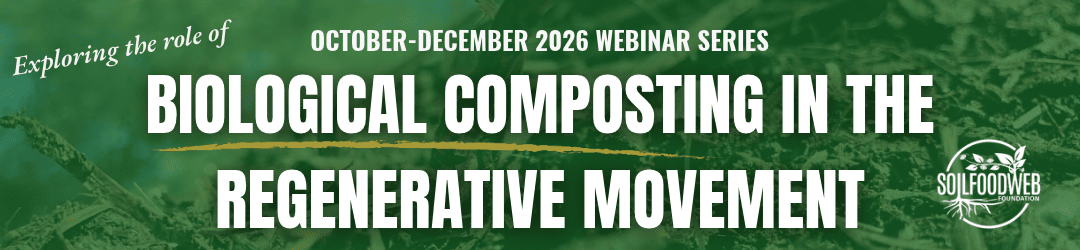
In this series, we explore the role of biological compost in the broader regenerative movement. Join us to learn how biological compost supports rapid regeneration and how large-scale operations and individuals are already using it to improve soil and plant health while reducing toxic chemicals and other destructive inputs.
Register now and join us for this incredible series!
Upcoming Events
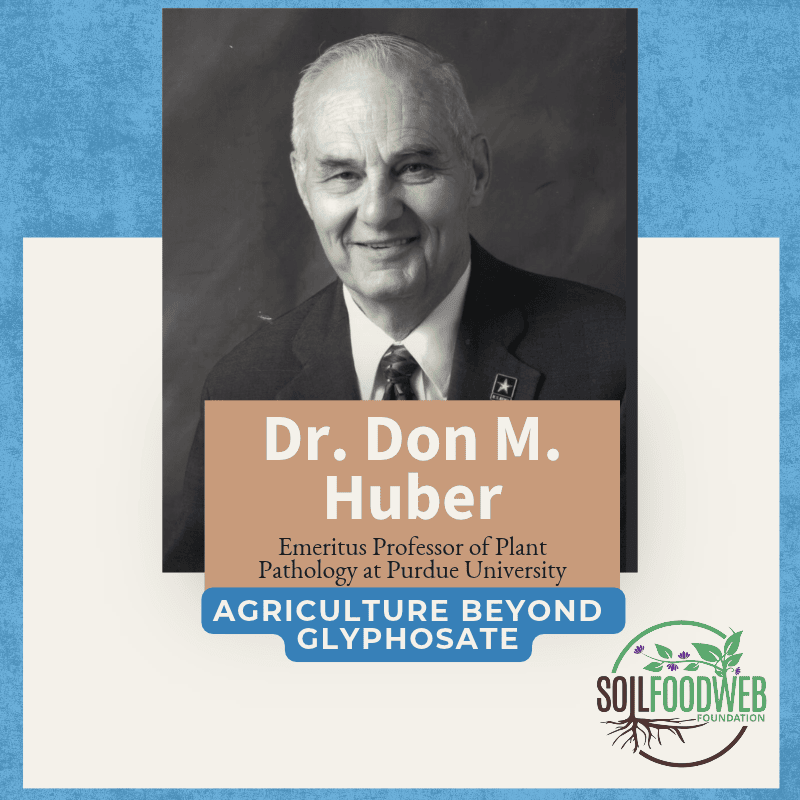
Agriculture Beyond Glyphosate
Glyphosate doesn’t disappear after application — it accumulates in soil, binds to essential minerals, and can be reactivated years later by common farming practices, with devastating results. Dr. Huber will share striking real-world cases, explain the science behind glyphosate persistence, and discuss emerging biological solutions for degrading residues in soil. Essential viewing for anyone transitioning to organic or regenerative systems, or trying to understand why crops sometimes fail in ways that don’t add up.
Glyphosate doesn’t disappear after application — it accumulates in soil, binds to essential minerals, and can be reactivated years later by common farming practices, with devastating results. Dr. Huber will share striking real-world cases, explain the science behind glyphosate persistence, and discuss emerging biological solutions for degrading residues in soil. Essential viewing for anyone transitioning to organic or regenerative systems, or trying to understand why crops sometimes fail in ways that don’t add up.
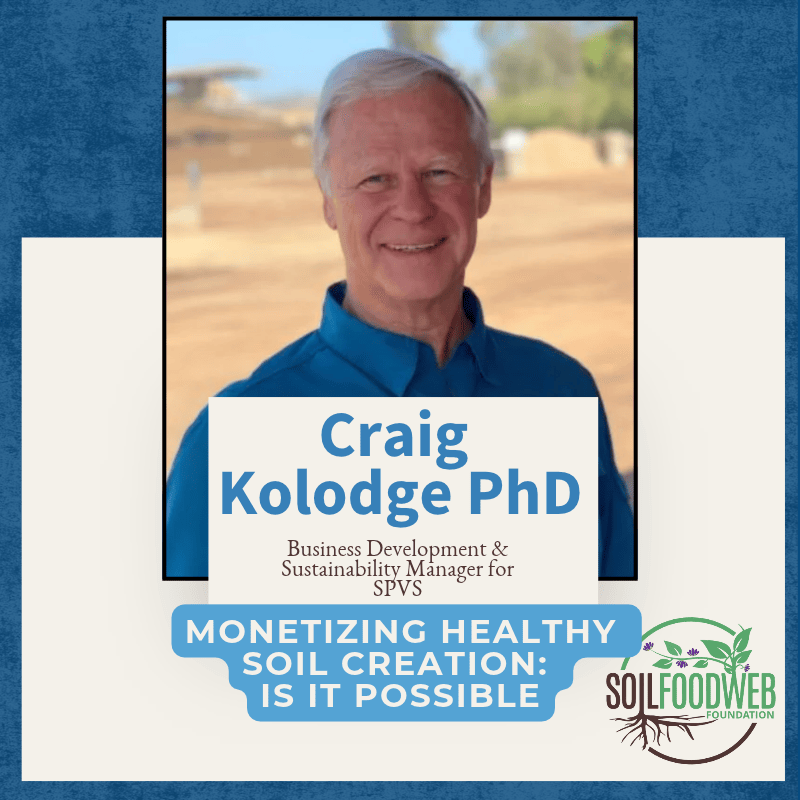
Monetizing Healthy Soil Creation: Is It Possible
Soil holds more carbon than the atmosphere and all plant life combined — and yet human land use has depleted that reservoir at a massive scale. Can compost help reverse the trend, and can farmers get paid for doing it?
Dr. Craig Kolodge will explore the science and economics of soil carbon sequestration through compost, drawing on real-world case studies showing how compost applications can drive lasting increases in soil carbon, microbial activity, and biological soil health. He will also address the question every farmer and compost producer is asking: with the right practices in place, is monetizing healthy soil creation actually within reach?
Past Events
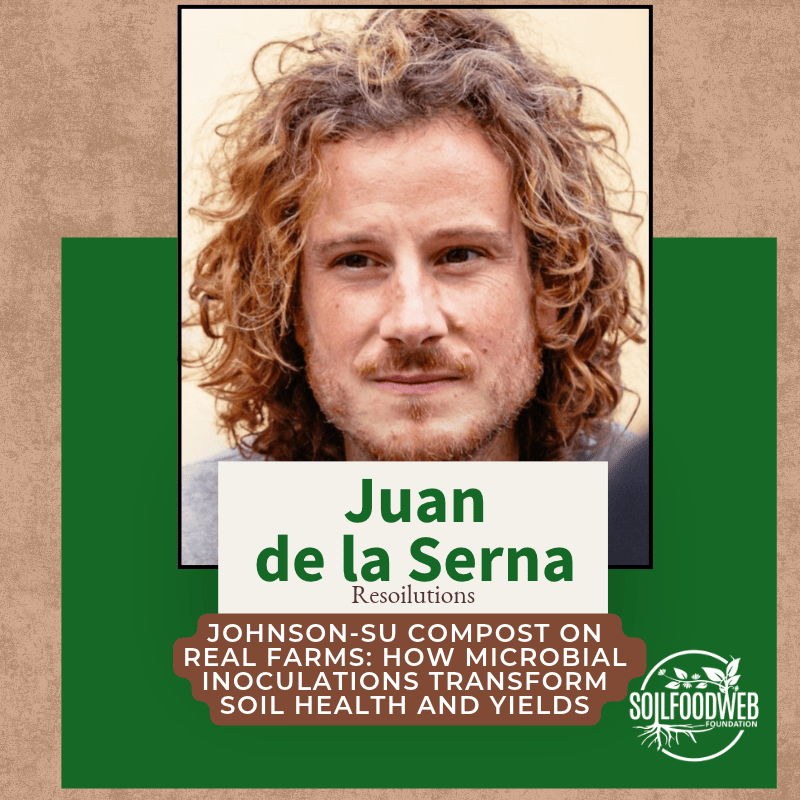
Johnson-Su Compost on Real Farms: How Microbial Inoculations Transform Soil Health and Yields
In this session, Juan will share exclusive field trial data from six years across European farms, showing exactly how BioComplete compost affects crop yield and soil health under real growing conditions. The session reveals how the Johnson-Su compost process dramatically increases microbial populations in compost, and how biological amendments translate into measurable
improvements in plant health and crop yield on actual farms.
The talk focuses on practical results: specific application rates, as low as 4 kg per hectare, that trigger measurable improvements, and what that means for farmers ready to transition toward regenerative agriculture without overhauling their entire operation
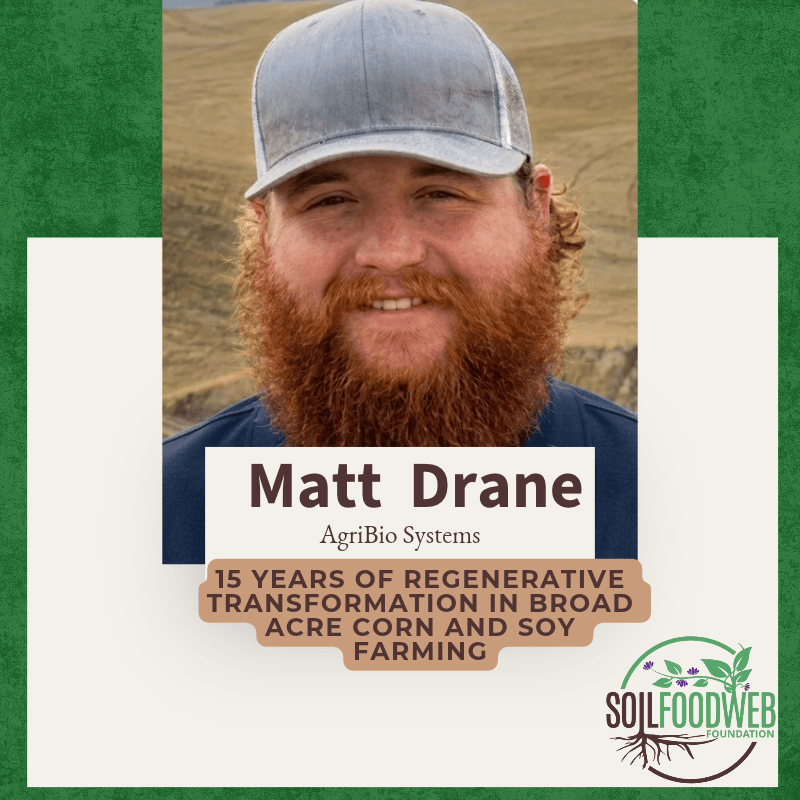
15 years experience in regenerative transformation in broad acre corn and soy farming
What can 15 years of experience transitioning a conventional corn and soy operation to biological farming teach us about effective transition — the wins, the failures, and the lessons learned along the way? Matt Drane will take us through the real story of regenerative transformation in broad-acre row crop farming, focusing on how compost, vermicompost, cover crops, and biological amendments work together to improve nutrient cycling, soil structure, and long-term farm profitability. Whether you’re just beginning to explore biological systems or already in the transition, this is a rare look at what the journey truly involves from someone who has lived it.
What can 15 years of experience transitioning a conventional corn and soy operation to biological farming teach us about effective transition — the wins, the failures, and the lessons learned along the way? Matt Drane will take us through the real story of regenerative transformation in broad-acre row crop farming, focusing on how compost, vermicompost, cover crops, and biological amendments work together to improve nutrient cycling, soil structure, and long-term farm profitability. Whether you’re just beginning to explore biological systems or already in the transition, this is a rare look at what the journey truly involves from someone who has lived it.